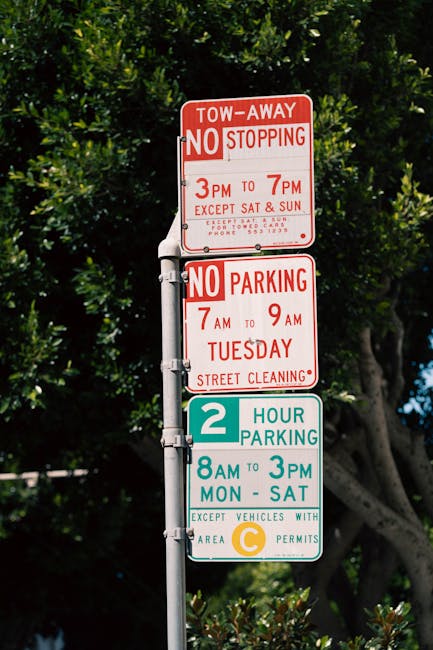
Permit parking and loading rules for N5 removals

If you are planning a move in N5, permit parking and loading rules can shape the whole day. A van that cannot stop close to the property, a missed loading bay restriction, or a permit booked for the wrong time can turn a tidy move into a long, stressful wait. That is the reality, especially on busy North London streets where space is tight and traffic moves fast.
This guide explains permit parking and loading rules for N5 removals in plain English. You will learn how parking permissions usually work, what loading restrictions mean in practice, how to avoid common mistakes, and how to plan a move that does not feel like a logistical puzzle at 8am on a wet Tuesday.
Why permit parking and loading rules for N5 removals Matters
Parking is not just a background issue on move day. In N5, it often determines whether the removals team can work efficiently, whether furniture can be carried safely, and whether the whole schedule stays on track. If the van has to park too far away, every box becomes a longer walk. That means more time, more effort, and more chances for something to get knocked, dropped, or damaged.
Loading rules matter for the same reason. A street may allow short loading only, or it may restrict stopping during certain hours. Sometimes a bay is shared with residents, visitors, or commercial vehicles. Sometimes there is a permit-only zone nearby. You may have ten minutes to unload, or thirty, or less than you hoped. Truth be told, those details are easy to overlook until you are standing outside with a sofa and nowhere obvious to put it.
For households, flats, students, and businesses alike, the practical effect is the same: better planning usually means less stress. It also helps you avoid the kind of awkward last-minute decisions that make removals feel chaotic. And nobody wants that.
If you are organising a move with local support, it can help to look at services such as local removals, flat removals, or house removals so that the parking plan and the actual move plan are thinking about the same street, same timing, same constraints.
How Permit parking and loading rules for N5 removals Works
There is no single universal rule for N5 streets. Parking and loading arrangements depend on the exact road, the type of bay, the time of day, and whether you are dealing with a council-controlled permit zone, a shared loading area, or a private access point. So the first step is always location-specific checking. Not glamorous, but necessary.
In practice, the process usually looks something like this:
- Check the street outside the property. Look for signs that mention permit bays, loading only, time limits, suspension notices, or resident restrictions.
- Identify the move window. A morning slot may work better than mid-afternoon if the street is busier later on.
- Confirm whether a permit is needed. Some locations allow short loading without a formal parking permit, but only for a limited time and under specific conditions.
- Plan the vehicle size. A larger van can reduce trips, but it may also be harder to place legally and safely near the entrance.
- Prepare for walking distance. If the van cannot stop directly outside, you may need trolleys, extra people, or a phased load strategy.
- Build in a buffer. Even well-planned removals can be delayed by traffic, a blocked bay, or a neighbour already using the space.
Loading rules are usually about temporary stopping for active loading and unloading. That sounds simple, but the detail matters. You should not assume a hazard-light stop is automatically fine everywhere. And you should not assume that because other vans are stopped there, the spot is fair game. Sometimes it is, sometimes it is not. A bit annoying, yes, but that is how street management works.
For bigger jobs or awkward properties, some people pair removals with storage so they can move in stages. Services like removals and storage, short-term storage, and mobile self storage can make that process a lot calmer when access is tight.
Key Benefits and Practical Advantages
Getting parking and loading right is not just about avoiding penalties. It can genuinely improve the whole move.
- Less carrying distance: Smaller gap between van and front door means fewer steps, less fatigue, and less risk of damage.
- Faster turnaround: Clear loading access lets the crew work in a cleaner rhythm.
- Lower stress: You are not scrambling for a legal space while the clock ticks on.
- Better safety: Shorter carries reduce strain and lower the chance of trips on stairs, kerbs, or uneven pavement.
- Fewer surprises: Permit planning helps you avoid fines, complaints, or an unexpected dash to move the van.
There is also a hidden benefit: better communication. When everybody knows where the van will stop, who is carrying what, and when loading starts, the move becomes much more coordinated. That matters whether you are moving a one-bedroom flat or a whole office. Small detail, big difference.
For example, if you are moving a few bulky pieces of furniture, it may be more efficient to use small removals or man and van rather than trying to organise a bigger vehicle than the street can comfortably accommodate.
Who This Is For and When It Makes Sense
Permit parking and loading rules matter for almost anyone moving in N5, but some groups feel the impact more sharply than others.
- Flat movers: Especially if the building is on a narrow residential road or has limited front access.
- Families moving house: More furniture, more boxes, more time on the pavement if the van cannot stop close by.
- Students: Quick move-outs often happen under pressure, and parking mistakes are easy to make when you are juggling keys, deadlines, and a mate with a hatchback.
- Businesses: Office relocations and document moves need a precise schedule, especially where loading windows are limited.
- Landlords and tenants: End-of-tenancy removals often have a hard deadline, so loading access becomes part of the move-out plan.
It makes sense any time your property is on a controlled street, near a busy high road, or in an area with limited curb space. It also matters when you are moving heavy items like wardrobes, desks, white goods, or archive boxes. One awkward stairwell can be enough; adding a long walk from the van is just asking for trouble.
If your move includes office equipment or records, the same planning logic applies. You may want to combine office removals with office storage or document storage so that sensitive items are managed in a way that suits both access and security.
Step-by-Step Guidance
Here is a simple way to approach permit parking and loading for an N5 move without overcomplicating it.
- Confirm the exact address and street conditions. Do not rely on the postcode alone. Two neighbouring streets can have very different restrictions.
- Read the signs on the day as well as in advance. Temporary suspensions and time-limited changes can appear after you first check.
- Choose a realistic loading window. Give yourself space for traffic, lift delays, or a neighbour who needs to get out of the building first.
- Decide whether the van needs a permit, loading exemption, or both. This depends on the space and the exact restriction. If you are unsure, ask before moving day rather than guessing.
- Tell everyone where to meet. The mover, the helper, the tenant, and anyone holding keys should all know the plan.
- Prepare the load sequence. Put the heavy or awkward pieces first if they need the most direct access, or last if they should stay on the vehicle until the end.
- Use equipment that reduces trips. A sack truck, trolley, blankets, and straps can save a surprising amount of time.
- Leave room for problem-solving. If the legal space is occupied, you may need to reposition, wait, or break the move into stages.
Here is the honest bit: the best move plans are usually a little boring. No drama, no frantic parking hunt, no half-hour of shouting up the street. Just a clear sequence and enough breathing room.
Expert Tips for Better Results
In our experience, the moves that go most smoothly are the ones where parking is treated as part of the removals job, not an afterthought.
- Check access before the lorry-sized assumptions creep in. A vehicle that is too large for the street can create more problems than it solves.
- Front-load the paperwork. Keep permits, booking details, and contact numbers in one place so nobody is hunting for screenshots at the kerb.
- Think about the weather. A dry morning feels very different from a damp evening with slippery pavements and extra caution around every step.
- Coordinate with neighbours where appropriate. A quick heads-up can prevent someone from parking in your loading spot five minutes before arrival.
- Use storage as a pressure valve. If the property is not ready or access is uncertain, short-term storage can turn a messy one-day move into a calmer two-stage process.
A practical tip that people often miss: if the property has narrow stairs or long internal carries, you need to reduce the external carry too. It sounds obvious, but when a move gets busy, obvious things are the first to go missing. Funny how that happens.
If you are managing a smaller load, a service such as packing services can also help because well-packed items move faster, stack better, and tend to survive the journey with less fuss.
Common Mistakes to Avoid
The mistakes below are the ones that most often create delay, hassle, or avoidable cost.
- Assuming the street is fine because it looks empty. Empty does not mean unrestricted.
- Leaving permit checks until the morning of the move. That is when stress rises and options shrink.
- Booking the wrong size vehicle. Too small means extra trips; too large may be harder to park legally.
- Forgetting about loading time limits. Even a valid stopping location may still have a maximum loading period.
- Failing to brief the removals team. If they arrive without the same information you have, the first ten minutes can get messy fast.
- Not preparing a backup plan. Streets are unpredictable. A temporary obstruction can happen any time.
One more thing: do not let the move become a contest of optimism. "We'll probably be fine" is not a plan. It is just hope wearing a hi-vis jacket.
Tools, Resources and Recommendations
You do not need a huge toolkit, but a few practical items make a noticeable difference.
- Printed or saved permit details: Useful if phone signal is patchy or your battery decides to misbehave.
- Household moving kit: Tape, markers, blankets, gloves, and straps all earn their keep on a moving day.
- Trolley or sack truck: Especially helpful for boxes, kitchen items, and heavier office loads.
- Clear labels: Helps the unload happen in the right order once the van is parked.
- Storage options: If access or timing is uncertain, review self storage, household storage, or furniture storage as a practical fallback.
For business moves, business storage and secure storage can be especially useful when you need to stagger deliveries, protect files, or keep equipment off-site while access is being organised.
If you are comparing prices or trying to understand what fits your timeline, pricing and quotes is the sensible next stop. It keeps the moving plan and the budget in the same conversation, which, to be fair, is where they should be.
Law, Compliance, Standards and Best Practice
Parking and loading around removals sit within a wider framework of road, traffic, and local access controls. The exact rules depend on the street and the relevant authority, so this is one of those areas where caution matters. Do not assume that a loading stop is automatic just because the van is only there briefly. Likewise, do not treat a permit bay like a free-for-all.
From a best-practice standpoint, responsible removals work usually involves:
- checking restrictions before the move;
- respecting time limits and bay conditions;
- avoiding unnecessary obstruction to pedestrians and residents;
- keeping access routes as clear as possible;
- planning for safe manual handling, not just fast unloading.
That last point is worth underlining. A good loading plan is not only about parking legality. It is also about safety. Heavy boxes, awkward appliances, and tight stairwells can cause injury if people rush. A careful move is usually the more professional one, even if it feels slower at first.
Where business items, files, or sensitive materials are involved, it also makes sense to think about privacy, handling, and security. A service such as office storage or document storage can reduce the pressure on move day and help maintain better control over what goes where.
Options, Methods, or Comparison Table
Different moves need different parking and loading approaches. Here is a simple comparison to help you choose the most sensible method.
| Approach | Best for | Pros | Watch out for |
|---|---|---|---|
| Direct kerbside loading | Street access close to the property | Fastest carrying distance, least effort | Requires strict attention to permit and loading rules |
| Shared loading bay use | Managed streets or commercial areas | Can be efficient if time is booked well | Bay may already be occupied or time-limited |
| Staged move with storage | Big moves, timing gaps, limited access | Reduces pressure and allows flexibility | Needs additional planning and possibly two handling stages |
| Smaller van / man and van | Narrow streets, lighter loads, short trips | Often easier to position and park | May need more than one run for larger jobs |
For many N5 jobs, the best answer is not the biggest vehicle or the cleverest workaround. It is the option that fits the street. That sounds almost too simple, but there you go - simple is often what wins on the day.
Case Study or Real-World Example
Imagine a one-bedroom flat move on a weekday morning in N5. The residents have a sofa, a bed frame, several boxes, and a few fragile kitchen items. The property is on a residential street with controlled parking, and the nearest legal space is not directly outside the building.
If the move starts without checking loading conditions, the van may end up half a street away. That means longer carries, slower loading, and a higher chance that the crew is still working when the street gets busier. The hallway begins to fill with boxes. Someone is searching for the keys. A neighbour wants out. It becomes one of those mornings.
Now compare that with a more organised approach. The team checks the street, confirms the loading arrangement, books a sensible time window, and prepares trolleys and protection blankets in advance. The van parks as close as the rules allow. The items are carried once, loaded cleanly, and the flat is cleared without drama. Not magical. Just planned.
In a larger move, the same logic applies with more moving parts. A business relocation might use office removals alongside removals and storage to avoid overfilling a loading bay, protect equipment, and move departments in a sensible sequence.
Practical Checklist
Use this checklist before move day. It is simple, but it catches a lot.
- Confirm the exact move address and access points.
- Check parking signs on the street and nearby bays.
- Identify whether a permit, loading-only stop, or timed bay applies.
- Choose a realistic arrival and loading window.
- Tell the removals team about any narrow roads, steps, or shared access.
- Prepare labels, straps, blankets, and a trolley if needed.
- Keep contact numbers handy for the driver and the property contact.
- Have a backup plan if the legal space is occupied.
- Decide whether short-term storage would reduce pressure.
- Double-check everything the day before, not the day after.
One line to remember: the closer your planning is to the street reality, the smoother the day tends to be.
Get a free quote today and see how much you can save.
Conclusion
Permit parking and loading rules for N5 removals are not glamorous, but they are one of the biggest practical factors in how smoothly a move goes. When you understand the street restrictions, choose the right vehicle, and allow enough time for loading, you give yourself a far better chance of a calm, controlled move.
That calm matters. It saves time, reduces strain, and helps protect your belongings. It also makes the whole day feel more manageable, which is often what people need most. If your move involves tight access, awkward timing, or a mix of items that would be easier to split up, services like removals, short-term storage, and man and van can be a very sensible fit.
Plan the street first, then the boxes. That simple order can save a surprising amount of hassle. And a quieter moving day? Honestly, that feels pretty good.
Frequently Asked Questions
Do I need a permit for removals in N5?
Not always, but you should not assume you are exempt. It depends on the exact street, bay type, and time of day. Some locations allow short loading without a formal permit, while others need a permit or have different restrictions altogether.
What counts as loading versus parking?
Loading usually means actively moving items between the property and the vehicle. Parking means the vehicle is left standing without that immediate loading activity. The difference matters because some streets allow one but not the other, or only for a limited time.
Can a removals van stop with hazard lights on?
Hazard lights do not make a stop automatically legal. They may help other road users notice the vehicle, but they do not override parking rules or loading restrictions.
How far in advance should I check parking rules?
Ideally several days before the move, and then again on the day before or morning of the move. Temporary restrictions, bay suspensions, or changes in local conditions can appear, and it is better to know early.
What happens if the loading bay is occupied?
You may need to wait, move to an alternative legal space, or adjust the unloading order. This is one reason to build in a time buffer. A backup plan saves a lot of stress when things do not line up perfectly.
Is a larger van always better for an N5 move?
No. A larger van can mean fewer trips, but it can also be harder to position legally in a tight street. Sometimes a smaller vehicle or a man and van setup is actually more practical.
Can storage help if parking is difficult?
Yes. Storage can split the move into two calmer stages, especially if access is limited or timing is tight. Short-term storage and mobile self storage are often worth considering when the property or street is awkward.
What should I tell the removals team before move day?
Tell them about the exact address, access points, stairs, lift access, parking restrictions, and any known loading limits. If there are permit details or time-sensitive rules, share those too. The more complete the picture, the smoother the job.
Do office moves need the same parking planning as house moves?
Yes, and sometimes more so. Office moves often involve equipment, files, and tighter timing. Parking and loading rules still matter, but so does sequencing, security, and minimising downtime.
What is the biggest mistake people make with parking on move day?
The most common mistake is leaving it too late to check the restrictions. A close second is assuming a space will be available because it looked fine the day before. Streets change quickly, especially in busy parts of London.
How can I make the loading process faster?
Label boxes clearly, keep items grouped by room, prepare equipment in advance, and make sure the van is parked as close as legally possible. Good packing and good access work hand in hand. If you want a smoother process overall, packing services can be a worthwhile extra.
Where can I get help if I need a more flexible move plan?
If you need a move that accounts for access, storage, or a tricky loading setup, it helps to speak with a removals provider that understands local conditions and can shape the plan around them. That is usually where the stress starts to lift a bit.