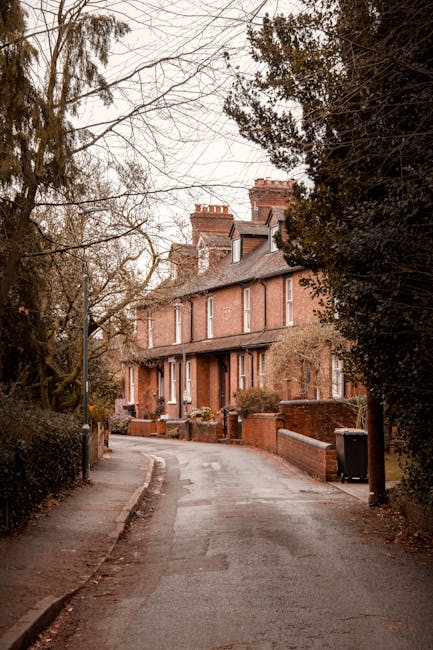
Canonbury Road removals guide for narrow Victorian homes
Moving on Canonbury Road can feel deceptively simple until you stand in the hallway and realise the staircase is narrow, the turn is awkward, and the front room is full of furniture that looked smaller in the old place. That is the reality of many Victorian homes in this part of Islington: lovely proportions in some rooms, tight access in others, and a layout that rewards planning. This Canonbury Road removals guide for narrow Victorian homes is here to make the whole process calmer, safer, and a lot less stressful.
Whether you are moving out, moving in, or shifting furniture between rooms, the challenge is usually the same: how do you get bulky items through confined entrances without damage, delays, or a lot of shouting up the stairs? Let's face it, a sofa does not care how nice the plasterwork is. In this guide, you will find practical steps, sensible packing advice, useful comparisons, and a few local-minded tips that help in real life, not just on paper.
For broader support with moving tasks, some people also find it helpful to look at house removals support, flat removals, or removals and storage when the move needs a little extra breathing room.
Table of Contents
- Why narrow Victorian home removals on Canonbury Road matter
- How the move works in practice
- Key benefits and practical advantages
- Who this is for and when it makes sense
- Step-by-step guidance
- Expert tips for better results
- Common mistakes to avoid
- Tools, resources and recommendations
- Law, compliance, standards and best practice
- Options, methods and comparison table
- Case study or real-world example
- Practical checklist
- Conclusion
- Frequently asked questions
Why Canonbury Road removals guide for narrow Victorian homes Matters
Victorian homes are attractive for a reason: high ceilings, character details, and rooms that often feel warmer and more lived-in than newer builds. But many of them were not designed around modern furniture sizes, current storage habits, or the sheer volume of stuff most households own today. On Canonbury Road, that usually means tighter doorways, steeper stairs, awkward landings, and limited space to stage items on moving day.
That matters because moving is not just about transport. It is about access. If you cannot get a wardrobe round the corner, or if a mattress blocks the stairwell while someone tries to carry a chest of drawers behind it, the whole day slows down. A good plan reduces the risk of chips, scrapes, broken banisters, and that panicked moment when everyone stands in the hallway pretending to measure the sofa with their eyes.
The guide also matters financially. Poor planning can mean extra labour time, repeat trips, last-minute storage, or damage to items that would have been fine with a bit of prep. In many cases, a little advance thinking saves more than it costs. Truth be told, that is the difference between a move that feels controlled and one that feels like it is running you.
Key takeaway: on narrow Victorian streets and in period homes, the biggest moving risk is usually not distance. It is access, timing, and how well bulky items are prepared before anyone lifts a box.
How Canonbury Road removals guide for narrow Victorian homes Works
The move process is fairly simple in theory: assess, prepare, pack, move, settle. The difficulty is the detail. Narrow Victorian homes often need a more measured approach than standard removals because the constraints show up quickly once furniture starts moving.
In practice, a sensible approach usually looks like this:
- Survey access points such as the front door, hallway, stair width, turns, and any basement or loft routes.
- Measure the large items that are most likely to cause problems: beds, wardrobes, sofas, desks, white goods, mirrors, and bookcases.
- Decide what should be dismantled before moving day and what can stay intact.
- Pack by priority and fragility so the items needed first are easy to reach.
- Protect the property with covers, blankets, and careful handling around paintwork and stair edges.
- Use the right moving method for the access: full removals, a smaller vehicle, or a man and van service if the load is lighter.
That sounds straightforward, and mostly it is. But with Victorian homes, the margin for error is slim. A wardrobe that is only a few centimetres too wide can turn a planned move into an all-day reshuffle. A box that is packed too heavily can be a nightmare on a steep staircase. Small things, big consequences.
If your move also needs temporary holding space, it can help to think ahead about secure storage or short-term storage, especially if completion times or handover dates do not line up neatly.
Key Benefits and Practical Advantages
The obvious benefit of planning a narrow-home move properly is that it becomes less chaotic. But there are a few more practical advantages worth spelling out.
- Less damage risk: careful measurements and dismantling reduce knocks to walls, banisters, floors, and furniture edges.
- Faster moving day: when the route is clear and items are ready, the team spends less time improvising.
- Better use of labour: people are not wasting energy wrestling items that should have been separated or wrapped.
- Lower stress: you are less likely to face last-minute decisions in a busy hallway with a timer ticking in your head.
- Improved safety: narrow stairs and awkward corners are easier to manage when heavy lifting has been planned properly.
There is also a comfort factor. A move handled well tends to feel calmer from the moment the first box is picked up. You notice it in small ways: fewer repeated instructions, less double-handling, and a quieter, more organised rhythm. That is often worth as much as the visible savings.
For people clearing rooms before moving day, furniture storage or household storage can be useful when you want to keep a few bulky pieces out of the way rather than squeezing them through every doorway twice.
Who This Is For and When It Makes Sense
This guide is useful for anyone moving within or from a narrow Victorian property on Canonbury Road, but it is especially relevant in a few common situations.
- Flat sharers moving furniture up or down tight communal staircases.
- Families replacing bulky furniture in a house with narrow hallways and a steep staircase.
- Older homeowners who want to reduce strain and protect the property during a downsizing move.
- Landlords and tenants coordinating quicker turnovers in period buildings.
- People moving larger items such as pianos, wardrobes, treadmills, or American-style fridges, which can be awkward in older homes.
It also makes sense if you are not moving the whole house but still need help with the awkward bits. A sofa delivery, a room clear-out, or a partial move can be just as tricky in a Victorian terrace as a full relocation. Sometimes the job is not huge, just fiddly. And fiddly can be worse.
If you are working on a smaller load, a small removals service or man and van option can be a better fit than a full-scale vehicle and crew. For some people, that is the sweet spot.
Step-by-Step Guidance
Here is a practical way to approach a Canonbury Road move in a narrow Victorian home without overcomplicating things.
1. Measure the awkward parts first
Do not start with the easy bits. Measure the narrowest doorway, the tightest staircase turn, the landing width, and any low ceilings or boxed-in areas. Then compare those measurements with your biggest items. If the numbers are close, do not assume it will be fine. Close enough is often not close enough.
2. Identify what must be dismantled
Bed frames, tables, shelving, and some wardrobes are often easier to move in pieces. The trick is to decide this before moving day, not while blocking the hallway. Keep the screws, brackets, and fittings in labelled bags. Put them in the same box as the item if possible. That sounds obvious, but people forget it all the time.
3. Pack by room and by urgency
Pack a first-night box with essentials: toiletries, chargers, medication, a kettle if needed, a few mugs, and a change of clothes. Keep it easy to find. In a busy move, having to dig through twelve boxes for a phone charger is the sort of small irritation that can ruin an evening.
4. Protect the route through the property
Use blankets, floor covers, or at least careful padding at contact points. Victorian paintwork can mark quickly, especially around corners where people naturally swing items round. The stair edges, banister posts, and front threshold deserve particular attention.
5. Load in the right order
Heavy and awkward items should usually go in first, but only if the team can still access the essential items later. Think of the vehicle load as a puzzle, not a pile. If the fragile boxes are buried under the sofa cushions, the unloading will be messy.
6. Leave room for flexibility
Even the best plan can change on the day. A large chest might need a different angle. A mattress may need a second pair of hands at the landing. That is normal. Keep a little patience in reserve. It helps more than you would think.
Expert Tips for Better Results
These are the sort of small adjustments that make a surprisingly large difference.
- Check furniture legs and handles early. A projecting handle can be the reason a unit will not make the turn.
- Use lighter box weights than you think. Narrow stairs punish overpacked boxes. Split books and heavy kitchenware into smaller cartons.
- Keep a clear path from front door to vehicle. On busy residential streets, a short delay at the pavement can ripple through the whole move.
- Take photos before dismantling anything. That includes cable arrangements, shelf positions, and hardware setups.
- Label boxes by room and priority. "Kitchen - first" is more useful than "miscellaneous".
- Plan around the time of day. Morning light can help with visibility in darker hallways, especially in winter. Small detail, yes, but useful.
One slightly old-fashioned but effective tip: walk the route with your hands free before the move starts. You notice odd pinch points, low beams, or places where a piece needs to be angled. It takes two minutes and saves an argument later. Not glamorous, but very real.
For people who want extra help with preparation, packing services can be a sensible choice when the clock is tight or the household is already stretched.
Common Mistakes to Avoid
Most moving problems in narrow Victorian homes come from a handful of predictable mistakes. Better to spot them now than halfway down the stairs with a table wobbling.
- Assuming standard furniture will fit standard routes. Victorian homes often have turning points that look fine until the item is actually there.
- Leaving dismantling too late. If a bed frame or wardrobe needs to come apart, do it before the pressure is on.
- Overpacking boxes. Heavy boxes are harder to carry, harder to stack, and harder to keep safe on stairs.
- Ignoring parking and vehicle access. A perfect packing plan still falls apart if the vehicle cannot stop nearby.
- Not protecting floors and paintwork. Old properties mark easily. A small scuff can become a big regret.
- Forgetting the order of unloading. If essentials are at the back of the vehicle, the first night becomes more awkward than it needs to be.
The biggest mistake, though, is underestimating the emotional side of the move. Narrow homes can feel intense on the day because everyone is navigating the same tight space at once. A calm voice helps. So does a realistic plan. And maybe tea. Always tea.
Tools, Resources and Recommendations
You do not need a van full of specialist kit to handle a narrow-home move, but a few basics make life easier.
- Measuring tape: essential for doorways, furniture dimensions, and stair turns.
- Furniture blankets and wraps: help protect wood, paint, and finishes during tight manoeuvres.
- Labels and markers: keep boxes organised and save time later.
- Basic toolkit: useful for beds, shelving, and other dismantled items.
- Trolley or sack truck: helpful where stairs and heavier loads are involved, though not every item suits one.
- Gloves and non-slip shoes: small things, but they improve grip and comfort.
If your move needs a mix of transport and temporary holding space, it can be useful to compare services like mobile self storage, self storage, and long-term storage. The right choice depends on how much you are storing, how long you need it, and how often you want access.
For business owners or people moving work items from home, business storage and document storage can keep things orderly while the home move is underway.
Law, Compliance, Standards and Best Practice
For a residential move on Canonbury Road, the most relevant compliance points are usually practical rather than complicated. You want safe lifting, sensible property protection, and care around access. If a removals team is involved, they should operate with appropriate health and safety processes, suitable insurance arrangements, and clear communication about what they can and cannot safely move.
There may also be building-specific rules if you live in a managed flat, a converted property, or a shared building. Common examples include:
- booking lifts or stair access windows in advance, where applicable
- protecting communal areas from scuffs and obstruction
- not blocking neighbours' access for longer than necessary
- checking parking restrictions and local loading arrangements
Best practice is usually simple: confirm the access plan early, give accurate item descriptions, and be honest about anything especially awkward. If a sofa needs two people and a particular angle to clear the stair bend, say so. Nobody benefits from pretending otherwise.
You can also review practical site policies such as health and safety policy information, insurance and safety details, and terms and conditions when you want to understand the service expectations more clearly.
For payment, booking, and general trust signals, it is also sensible to check payment and security information, pricing and quotes, and the company's about us page so you know who you are dealing with.
Options, Methods, or Comparison Table
Different moves need different approaches. On a narrow Victorian street, choosing the right method can save time, money, and a fair bit of hassle.
| Option | Best for | Strengths | Watch-outs |
|---|---|---|---|
| Full removals service | Larger homes, family moves, multiple bulky items | More support, better for heavy lifting, efficient for complex loads | May be more than you need for a small move |
| Man and van | Smaller loads, short-distance moves, partial clear-outs | Flexible, often quicker to organise, good for awkward single items | May be limited for very large furniture or full-house moves |
| Small removals | Studios, one-bed flats, light household moves | Cost-conscious, practical, less heavy equipment needed | Not ideal if you have many bulky items |
| Removals and storage | Delayed completions, decluttering, staggered move-ins | Offers breathing space, helps reduce pressure on moving day | Requires extra planning and an extra handover step |
If your Canonbury Road property is especially tight, the best method is often the one that reduces handling rather than simply the one with the biggest vehicle. More space is not always better if the route is the problem. A compact team with a tidy plan can outperform a larger setup that has to keep stopping and rethinking every turn.
Case Study or Real-World Example
Here is a realistic example from the sort of move people regularly face in this area.
A couple moving out of a narrow Victorian terrace on Canonbury Road had a large bed frame, a deep sofa, several bookcases, and a heavy chest of drawers. The hallway was long but tight, and the stairs turned sharply at the halfway point. On inspection, it became clear that the bed frame and one bookcase would not safely clear the turn in one piece.
So the plan changed early, which is the important bit. The bed was dismantled the day before. Shelves were emptied and wrapped separately. The sofa was protected with blankets and moved first while the route was still clear. The chest of drawers needed two people at the landing, one guiding from below and one steadying from above. Nothing dramatic, just careful teamwork.
The difference was noticeable. There was no rushing, no scraping along the wall, and no panicked mid-stair pause while everyone negotiated the angle. The move still took effort, of course. Moving always does. But it felt controlled, which is usually what people want most. Calm is underrated.
In that sort of situation, having removals support combined with a sensible storage plan can make the whole thing feel far more manageable, especially if the new property is not ready at the same time as the old one empties.
Practical Checklist
Use this checklist a few days before moving day. It keeps things grounded.
- Measure doors, stairs, landings, and the largest furniture pieces.
- Confirm which items need dismantling.
- Label boxes clearly by room and priority.
- Set aside a first-night essentials box.
- Protect floors, walls, and furniture contact points.
- Check parking and loading access near the property.
- Decide whether you need storage for overflow items.
- Keep screws, fittings, and small parts together in labelled bags.
- Tell the moving team about any especially tight turns or delicate areas.
- Leave a clear path from the front door to the exit.
- Keep drinks, snacks, and basic supplies nearby for the day.
Simple rule: if an item feels borderline too large, treat it as too large until proven otherwise. That one habit prevents a lot of headaches.
Conclusion
Moving in a narrow Victorian home is not difficult because it is impossible. It is difficult because it asks for care, planning, and a little patience. Canonbury Road homes have character in spades, but that character often comes with tight staircases, tricky corners, and access points that reward preparation. Measure first, dismantle early, pack lightly, and choose the right moving method for the space you actually have.
That is the heart of a good Canonbury Road removals guide for narrow Victorian homes: less panic, fewer surprises, and a move that respects the property as well as your belongings. Whether you are shifting a full household or just a few awkward pieces, the right approach makes the day smoother from the first box to the last sigh of relief.
Get a free quote today and see how much you can save.
And once the last box is in place, take a breath. The hallway will feel bigger, the kettle will taste better, and the worst of it will be behind you.
Frequently Asked Questions
What makes removals on Canonbury Road harder than a standard move?
The main challenge is access. Narrow staircases, tight turns, period doorways, and limited hallway space can make large furniture harder to move safely than in a modern property.
Do I need to dismantle furniture before moving from a Victorian home?
Often, yes, especially for beds, wardrobes, shelving, and bulky tables. It is usually safer and faster to dismantle items that look borderline too big for the route.
Is a man and van enough for a Canonbury Road move?
It can be, if the move is small or if you are only shifting a few items. For larger household moves, a fuller removals service may be more practical.
How do I know if my sofa will fit through the stairs?
Measure the sofa, the stair width, and the turning space on the landing. If the measurements are close, assume it may need a different angle or partial dismantling.
Should I use storage during a house move?
Storage helps when completion dates do not line up, when you are decluttering, or when there simply is not enough room to move everything in one go.
What should go in a first-night box?
Keep essentials such as toiletries, chargers, medication, a change of clothes, snacks, tea or coffee supplies, and a few basic kitchen items if you need them straight away.
How can I protect Victorian walls and bannisters during a move?
Use blankets, careful route planning, and controlled lifting. The biggest protection is usually slow, deliberate movement rather than speed.
Are narrow-home moves more expensive?
They can be, because they may take longer or require extra care and labour. The final cost depends on access, distance, item size, and whether storage or dismantling is needed.
What if my furniture cannot fit through the door?
First, check whether it can be dismantled. If not, it may need a different route, temporary storage, or replacement. Forcing it is rarely a good idea and can cause damage quickly.
Can I move on my own in a narrow Victorian house?
You can move small items yourself, but heavy or awkward furniture is risky on stairs and tight corners. A second pair of hands is often the minimum sensible choice.
How far in advance should I plan a move like this?
As early as you can. Even a few days of preparation helps, but a week or more is much better if there are bulky items, storage needs, or property access issues.
What is the best way to compare removals options?
Compare based on access, item size, labour needed, timing, and whether you need storage. The cheapest option is not always the best if it creates more handling or delays.
Who should I speak to if I need both moving and storage support?
Look for a service that can handle both parts of the move smoothly, especially if you need temporary holding space or a staggered move-in. That usually keeps the process simpler and less stressful.